Sleep & recovery ·
Float Therapy for Sleep: Can a Float Tank Help With Insomnia?
If you're wired but tired, the research on floating and sleep is more promising than you'd expect, with an honest look at what it can and can't do.
If you're the kind of tired that a good night's sleep doesn't fix, you've probably tried most of the obvious things. Floating doesn't usually make anyone's first list, but the research on flotation-REST and sleep is further along than most people expect, and it's worth understanding both what it shows and where it stops.
What the research actually says
Floatation-REST has been studied as a sleep aid for decades, and the pattern across studies is consistent: regular floating is associated with falling asleep faster, sleeping longer, and reporting better sleep quality. A 2022 trial out of Karlstad University specifically tested flotation-REST in people with a diagnosed insomnia disorder, building on earlier work that had shown promising but limited results.
The honest caveat: most of these studies are small, and researchers are careful to say more work is needed to know exactly how much sleep improves and for whom. What's well established is the mechanism, and the mechanism is exactly what a wired, overtired nervous system needs.
Why floating and sleep are connected
During a float, brain activity shifts toward slower theta and delta waves, the same frequencies present in the lighter stages of sleep. Some researchers describe the floating brain as resembling Stage 1 and Stage 2 sleep: not asleep, but standing right at the door. Combine that with measurably lower cortisol, lower heart rate and a fully relaxed body, and you have most of the ingredients your body needs to fall asleep easily, just arriving an hour before bedtime instead of at it.
What to expect afterward
This is where our own observation matters as much as the research. People who float often go quieter than usual for the first day or two afterward (we wrote about that pattern on our home page), and many describe their sleep that night as unusually deep. If you're chronically wired, that combination, a quiet mind and a body that finally feels heavy again, can be the first full night's sleep you've had in a while.
Making it part of a routine
A single float can help with a single rough patch. For ongoing sleep issues, the research (and our own floaters) point toward consistency: a float every few weeks, or weekly during a stretch of bad sleep, tends to compound. That's part of why we built the Pure Float Membership, one float a month as a baseline, with room to float more often when you need it.
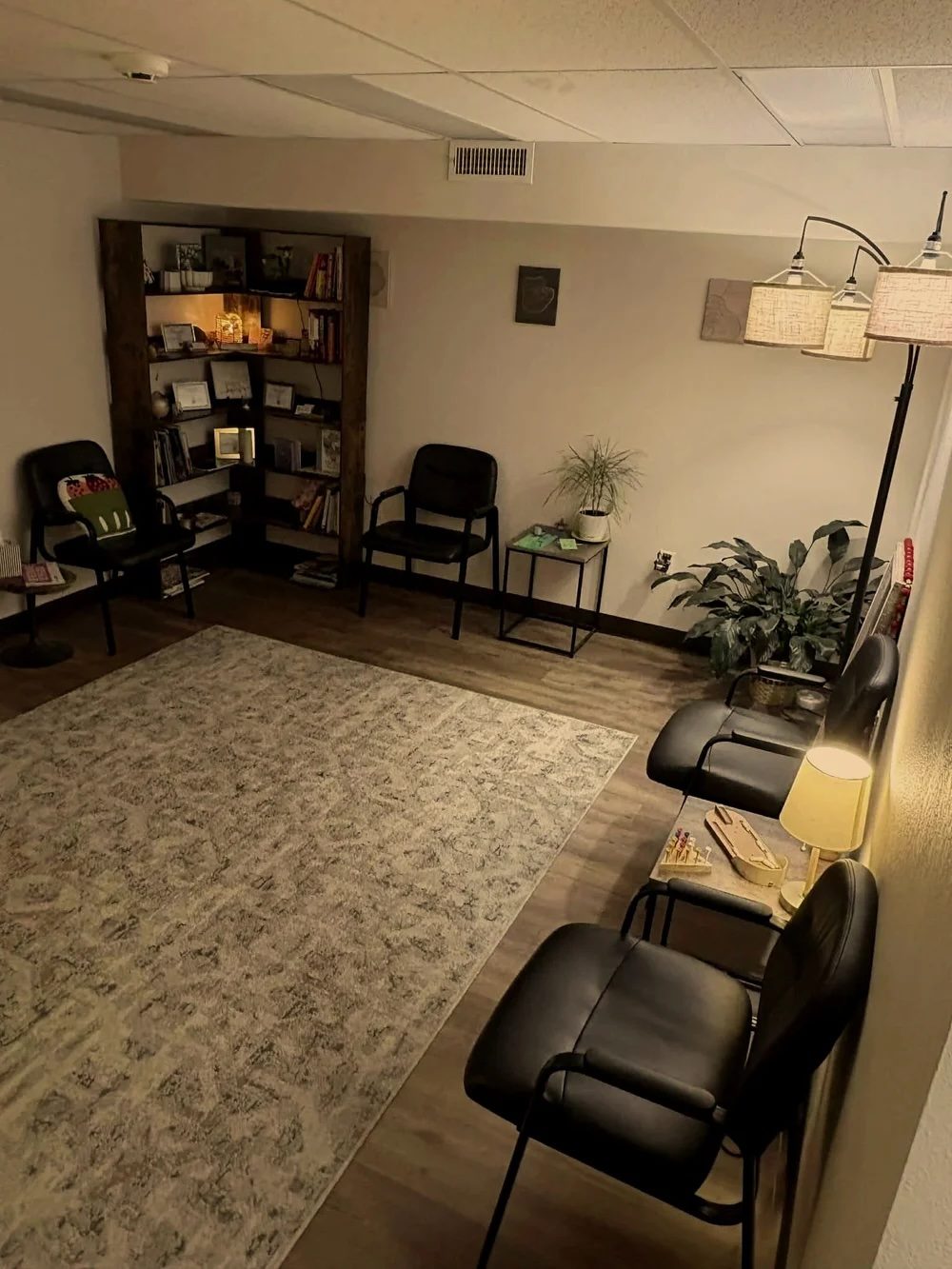
If sleep is part of a larger picture of stress or anxiety, it's also worth a look at our benefits page, and if you're working with a therapist, floating pairs naturally with the care available next door at The Healing Academy.
Uptown Jackson · by appointment
Ready to feel the difference?
One private suite, by appointment, in Uptown Jackson.