Recovery ·
Float Therapy vs. Massage: Which Is Right for Your Recovery?
Two of the most popular recovery tools work in almost opposite ways. Here's how to think about which one your body needs this week.
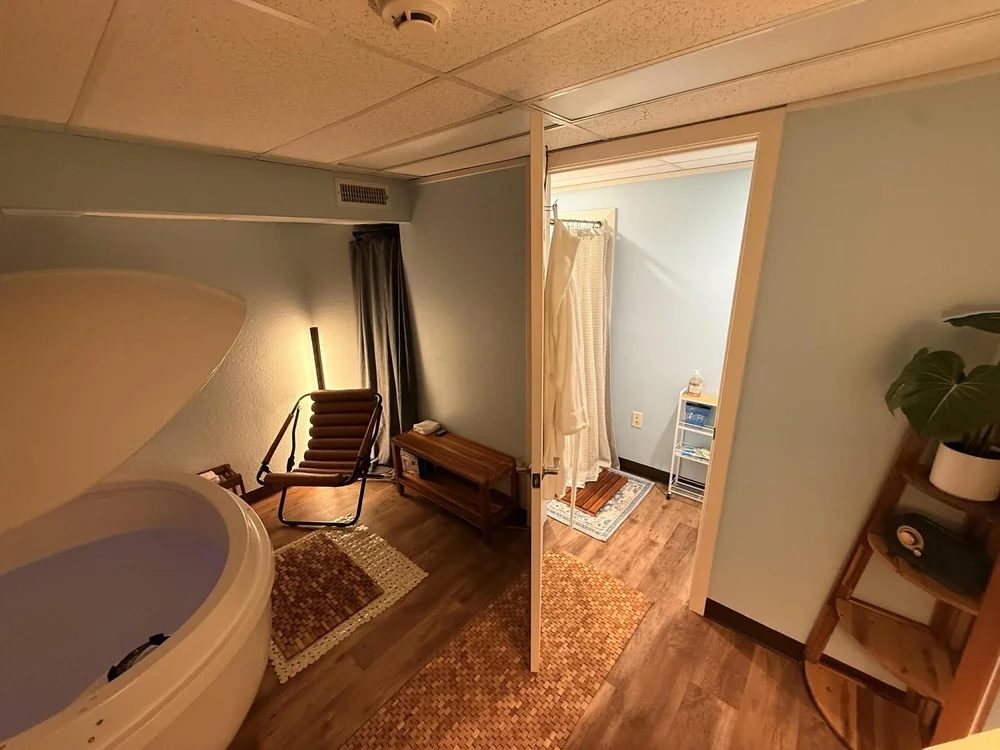
Float therapy and massage are often mentioned in the same breath, and they're both genuinely good recovery tools. But they work in almost opposite ways, and knowing the difference helps you pick the right one for what your body actually needs this week.
How they work
Massage is hands-on. A therapist manipulates soft tissue directly, working through specific areas of tightness, increasing local circulation, and addressing a particular knot, joint or trouble spot. It's targeted, and that's its strength.
Floating is the opposite of targeted. You remove gravity, sound, light and temperature variation all at once, and let the entire nervous system, not just one muscle, shift into deep rest. Where massage works on the body to influence the mind, floating tends to work on the mind and the whole body responds.
When each one shines
If you have a specific knot in your shoulder from sitting at a desk, or a tight spot from a hard workout, massage can address it directly in a way floating can't. If your stress is more diffuse, the wired, can't-switch-off feeling that doesn't trace to one muscle, floating tends to reach it more completely, because it doesn't rely on you being able to physically relax under someone's hands.
For athletic recovery specifically, the research on floating is notable: a controlled study found that an hour of floatation after intense exercise significantly lowered blood lactate and perceived pain compared with passive rest, and a study of elite athletes found reduced soreness and improved mood after floating. More on that here.
They're not competitors
In practice, most people who try both end up using them for different things rather than picking one. Some float the day before a massage so the body is already relaxed and gets more out of the bodywork. Others float after, to extend and deepen the recovery. Neither order is wrong.
This is also part of why the partnership next door matters. The Healing Academy and Float 42 sit on the same hallway because the two kinds of care, hands-on and hands-off, complement each other rather than compete. Floating can be a meaningful addition alongside massage, physical therapy or chiropractic care as part of a broader routine, not a replacement for any of them.
The practical answer
If you only have time for one thing this week and you know exactly where it hurts, book the massage. If you can't point to where it hurts, you just know everything feels like too much, that's a float. And if you can do both, most people find the combination is where the real difference shows up. See pricing & membership →

Uptown Jackson · by appointment
Ready to feel the difference?
One private suite, by appointment, in Uptown Jackson.