The research ·
The Science of Floating: What Happens to Your Brain in a Float Tank
An hour of nothing turns out to do quite a lot. Here's the neuroscience behind why floating feels the way it does.
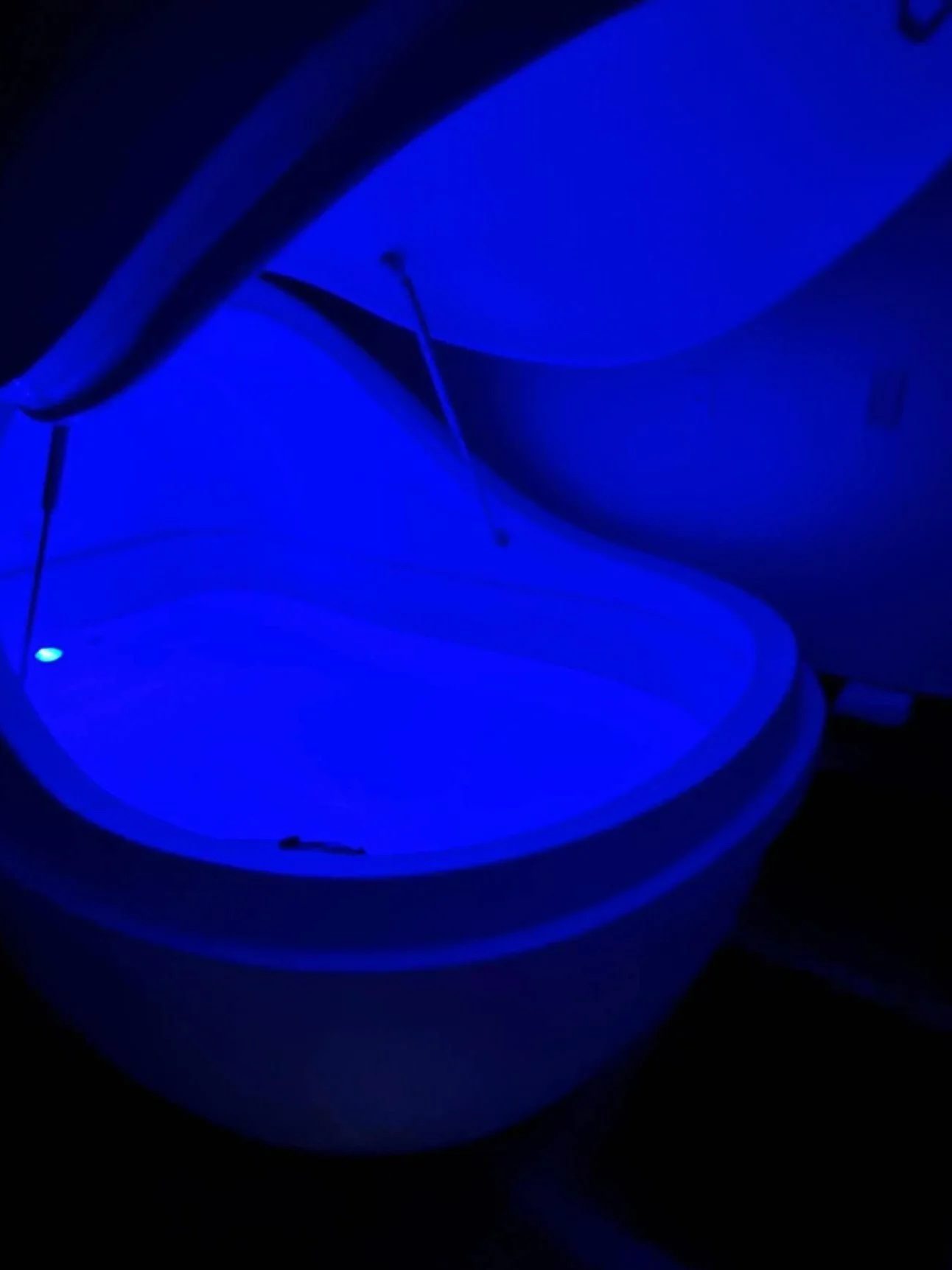
An hour of floating doesn't sound like it should do much. No exercise, no conversation, nothing to look at. But underneath that stillness, your brain is doing something it almost never gets to do, and the research into exactly what is one of the more interesting corners of neuroscience.
Reduced Environmental Stimulation Therapy
The clinical name for floating, floatation-REST, stands for Reduced Environmental Stimulation Therapy, and it's a more accurate description than "sensory deprivation" ever was. Researchers describe the float experience as minimizing input across the visual, auditory, olfactory, tactile, thermal, vestibular, gravitational and proprioceptive systems all at once, along with most movement and speech. That's nearly every channel your brain normally manages simultaneously, switched down at the same time. No other environment does that.
What the brain does next
With so little to process, brain activity shifts toward theta waves, the slow 4 to 8 Hz rhythm associated with deep meditation and the edge of sleep. The Laureate Institute for Brain Research, home to the world's first lab built specifically to study floating, has used functional MRI to observe how floating changes resting-state connectivity in the brain, essentially watching which regions talk to each other when the usual sensory traffic disappears.
Why this produces calm
A foundational study from the Laureate Institute found that a single float session produced measurable reductions in stress, muscle tension and blood pressure, with the calming and mood-lifting effects persisting for over 48 hours. The mechanism is straightforward: your nervous system spends most of its time in a low-grade state of vigilance, monitoring temperature, sound, balance, the position of your body in space. Remove all of that at once, and the parasympathetic, rest-and-digest system gets to take over fully, often for the first time in a long while. More on the benefits this produces →
From curiosity to clinical research
Floating was invented in the 1950s by neuroscientist John C. Lilly as an experiment in what the brain would do with no input. For decades it stayed on the fringe. In 2014, the Laureate Institute opened the first lab dedicated to studying it, and floating crossed from curiosity into a genuine, if still developing, field of clinical research spanning anxiety, depression, recovery and performance. The full story of how floating works →

Uptown Jackson · by appointment
Ready to feel the difference?
One private suite, by appointment, in Uptown Jackson.